Check out the energy market trends for 2026
The Brazilian electricity sector enters 2026 experiencing a paradigm shift. If previous years were marked by the expansion of variable renewable generation, the challenge for the biennium lies in flexibility management: fostering solutions that ensure systemic stability and new models for asset monetization.
In this context, check out some trends for the year:
1. BESS (Battery Energy Storage Systems): from backup to strategic asset
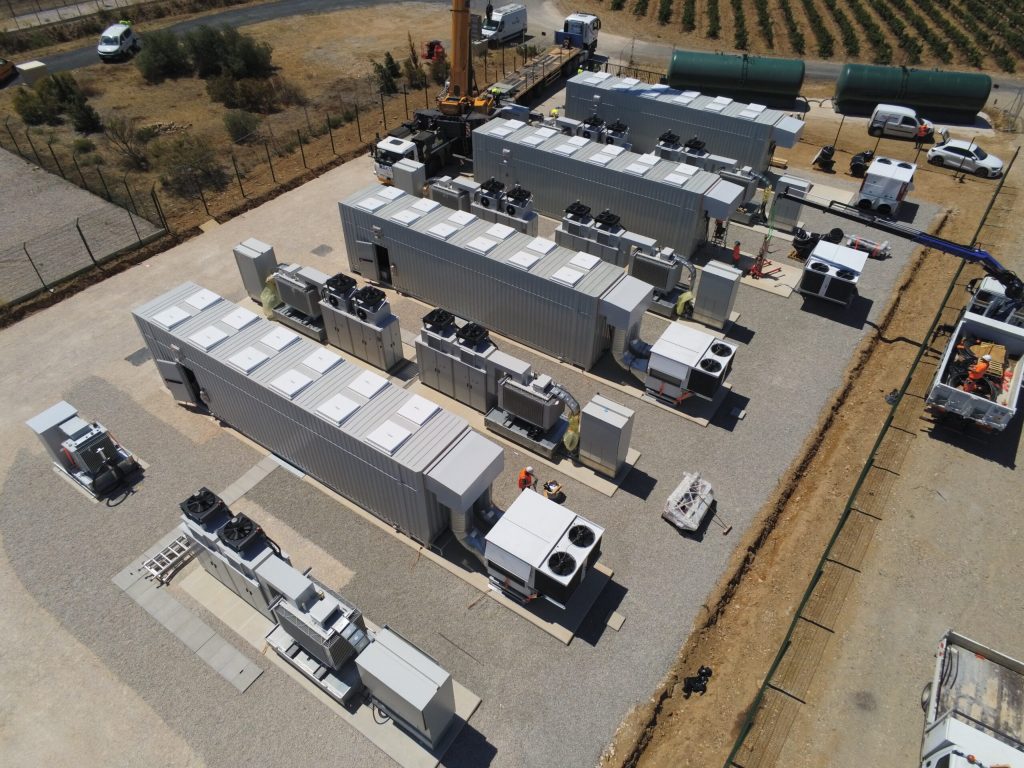
The consolidation of large-scale batteries is the main highlight for this year, driven by Law 15.269/2025 and the first capacity reserve auction focused on storage. Batteries have ceased to be just a niche solution to become the pillar of grid stability.
In terms of operational flexibility, storage systems enable energy arbitrage — buying energy when the Settlement Price for Differences (PLD), the value used to calculate the differences between contracted and effectively consumed energy, is low and selling when it is high — in addition to providing support for ancillary services, essential for mitigating generation cuts.
Regarding resilience, sodium-ion battery technology, which emerges as a safer and more sustainable alternative to lithium batteries, widely used in electric cars, for example, reached commercial scale in 2026. This category of batteries has the potential to boost solutions in renewable energies and energy storage, thanks to their high standards of energy density and thermal safety in industrial plants. As research advances, these batteries are expected to become more common in various applications, from electronic devices to clean energy systems.
2. The mobility-energy convergence
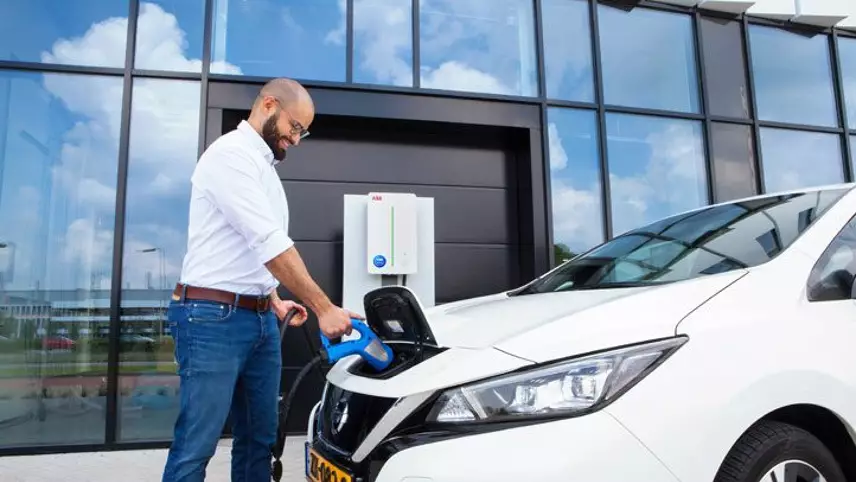
The electrification of mobility is no longer just a matter of transport infrastructure, but an extension of the electricity grid itself. The movement towards integration with renewable sources advances through Vehicle-to-Grid (V2G) technology.
In this model, electric fleets act as mobile storage assets, capable of returning energy to the grid during peak hours. For sector executives, this represents the transition from an operational transport cost to a business unit that generates energy credits or stabilizes the consumption of industrial plants through self-production.
The EDF Group, with the support of the European Innovation Fund, will deploy 800 Vehicle-to-Grid charging stations across Europe. This project, named EVVE (Environmental Valorization of Virtual Electricity Storage), enables the large-scale development of V2G. Contributing to the decarbonization of transport, the project also enhances the use of renewable energies.
3. Decarbonization and new business models
The pursuit of Net Zero targets is driving demand for low-carbon solutions that combine physical assets and financial instruments. Structured PPAs and I-RECs are among the highlights of the year. The offering of Power Purchase Agreements (PPAs), which allow companies to acquire renewable energy directly from generators, is going beyond price predictability, linking to traceability via I-RECs and carbon credits (CCO2).
4. Sustainability and ESG
The ESG agenda is consolidating as a strategic vector for the business of companies in different sectors. Companies are increasingly seeking solutions that combine renewable generation, energy efficiency, and structured contracts to reduce costs and risks, while meeting their sustainability goals.
5. Digitalization and Smart Grids
The digitalization of electricity grids and the adoption of advanced technological solutions will enable more efficient and intelligent energy management. Smart grids — intelligent grids with automation and integrated monitoring systems — will enable cost optimization, better demand forecasting, and rapid response to consumption variations.
The implementation of digitalization in companies allows transforming data into real-time insights and dashboards and creating scenario simulations to simplify decision-making and make it more assertive.